


In today’s world, video surveillance systems have become an integral part of security strategies for governments and businesses, as well as one of the security measures used by ordinary citizens. Installing video surveillance reduces the risk of offenses and crimes and helps prevent them.
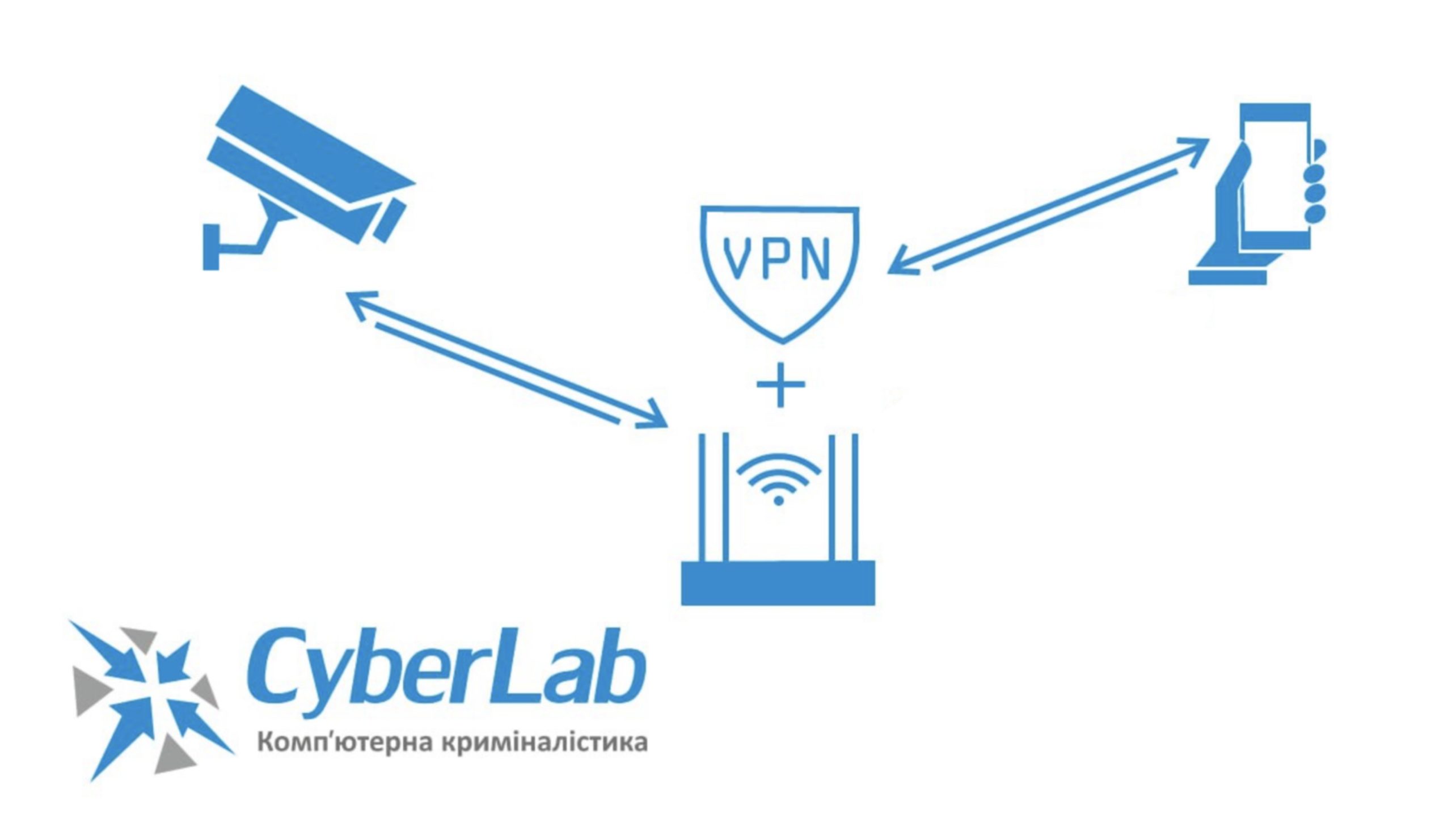
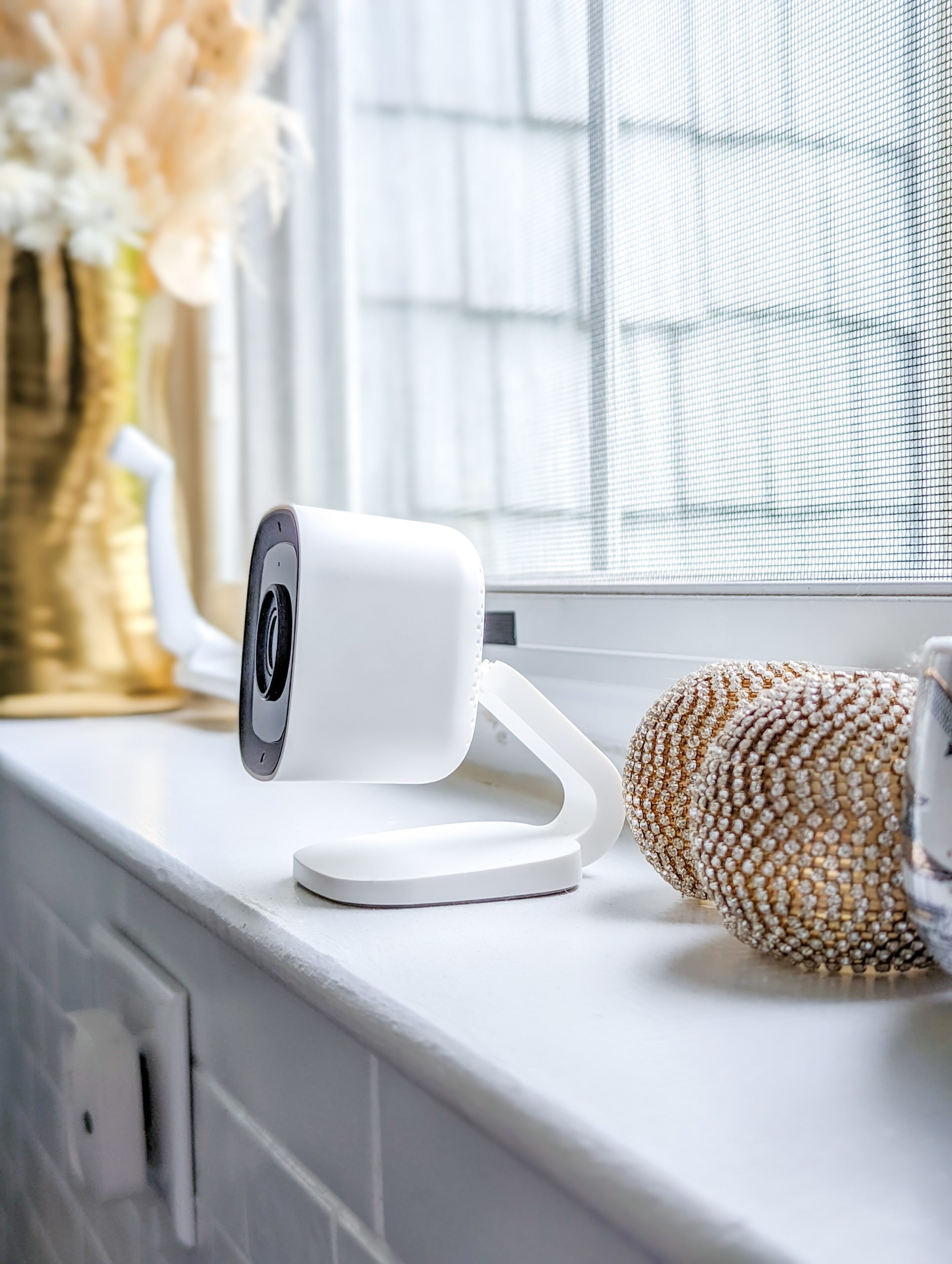
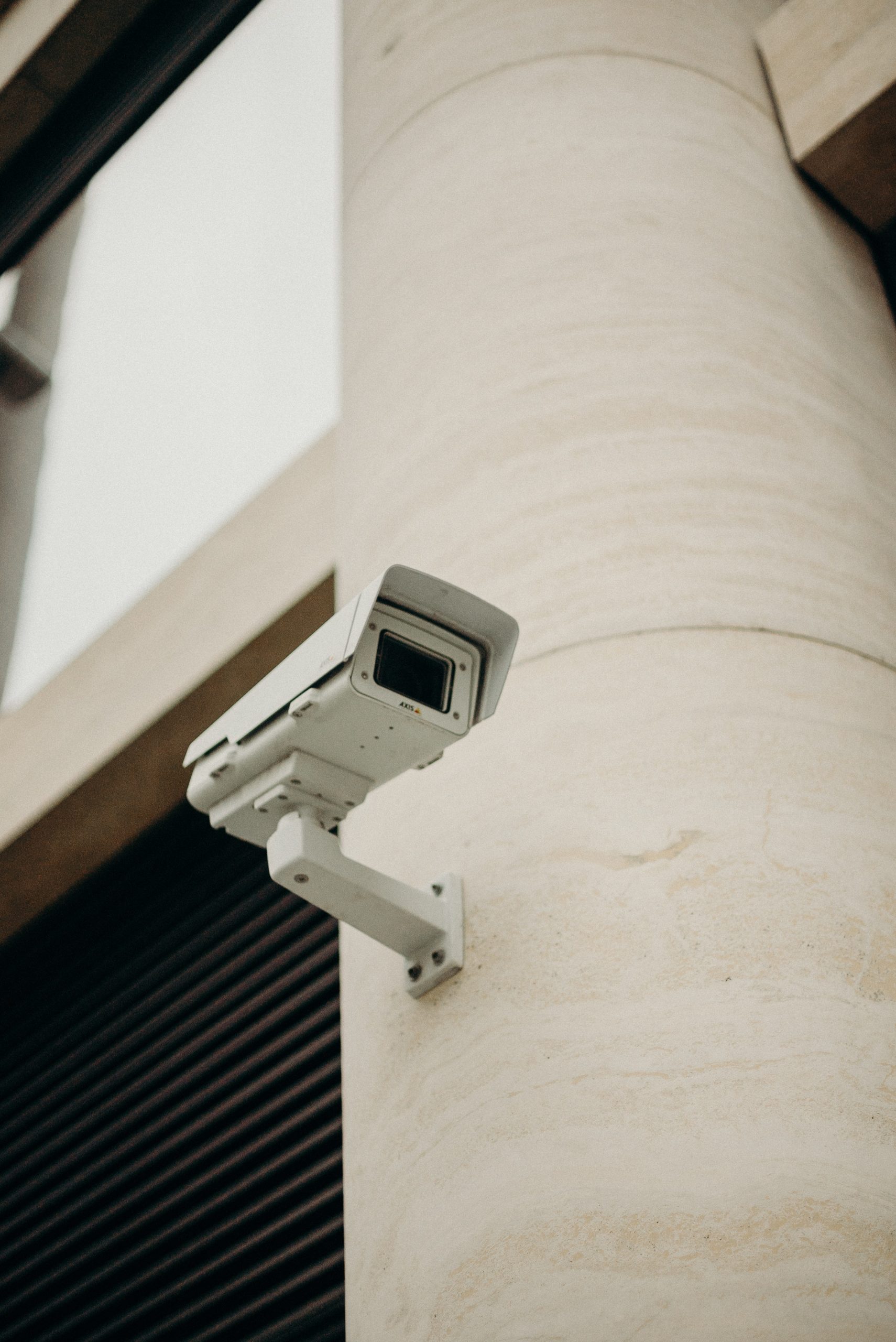
In general, a video surveillance system consists of a camera and a video recorder. Modern systems allow users to manage them and watch live streams over the Internet, which requires one more component: a router. IP cameras have also become increasingly popular among individuals and businesses in recent years.
An improperly configured video surveillance system or IP camera can become an easy target for attackers. Once they gain access, attackers can use the footage for surveillance, to collect compromising information, or to check whether the owners are present on the premises in order to commit various illegal acts.
It should also be noted that during the war, the enemy has increasingly used unprotected video surveillance systems and IP cameras as a tool for gathering intelligence.
To reduce the risk of unauthorized access to video surveillance systems or IP cameras, follow these basic rules:
Do not install cameras where they are not needed
Avoid placing cameras in bedrooms, toilets, bathrooms, changing rooms, and similar spaces. Surveillance of your private or intimate life and the subsequent public disclosure of this information can damage far more than your reputation.
Change the passwords on your video surveillance devices or IP cameras
First of all, change the default usernames and passwords, as this information can be found on the equipment manufacturer’s website. Your password should contain letters, numbers, and special characters.
Keep the software of your video surveillance system components up to date (if supported by the manufacturer)
Regularly check for software updates on your video surveillance devices, especially routers, as they often include security patches. Keep in mind that IP camera and video recorder software may contain a so-called backdoor that allows access to the devices.
Control where you connect to your video surveillance system from
Do not access your video surveillance system remotely via public Wi-Fi networks, such as those in cafés or stores. This is highly risky, as such networks may be unprotected, allowing hackers to easily intercept your traffic and gain access to your video surveillance system.
It is also important to choose the specialists who install and configure your video surveillance systems and network equipment carefully. Work only with reliable, certified professionals who have a proven track record and guarantee security and confidentiality.
Use a VPN (Virtual Private Network)
A VPN connection is considered one of the most secure ways to remotely access video surveillance systems or IP cameras. It allows you to connect directly to your home network from anywhere in the world. A direct VPN connection is more secure than P2P, provided that the VPN is protected and no one else has access to it. In this case, you will be the only person able to access the surveillance cameras.
Although complete security is impossible, following these tips will help reduce the risk of hacking and keep your private data and confidential information safe.
Remember that security is an ongoing process, so we recommend regularly reviewing your information systems and their settings to protect yourself against new threats.