


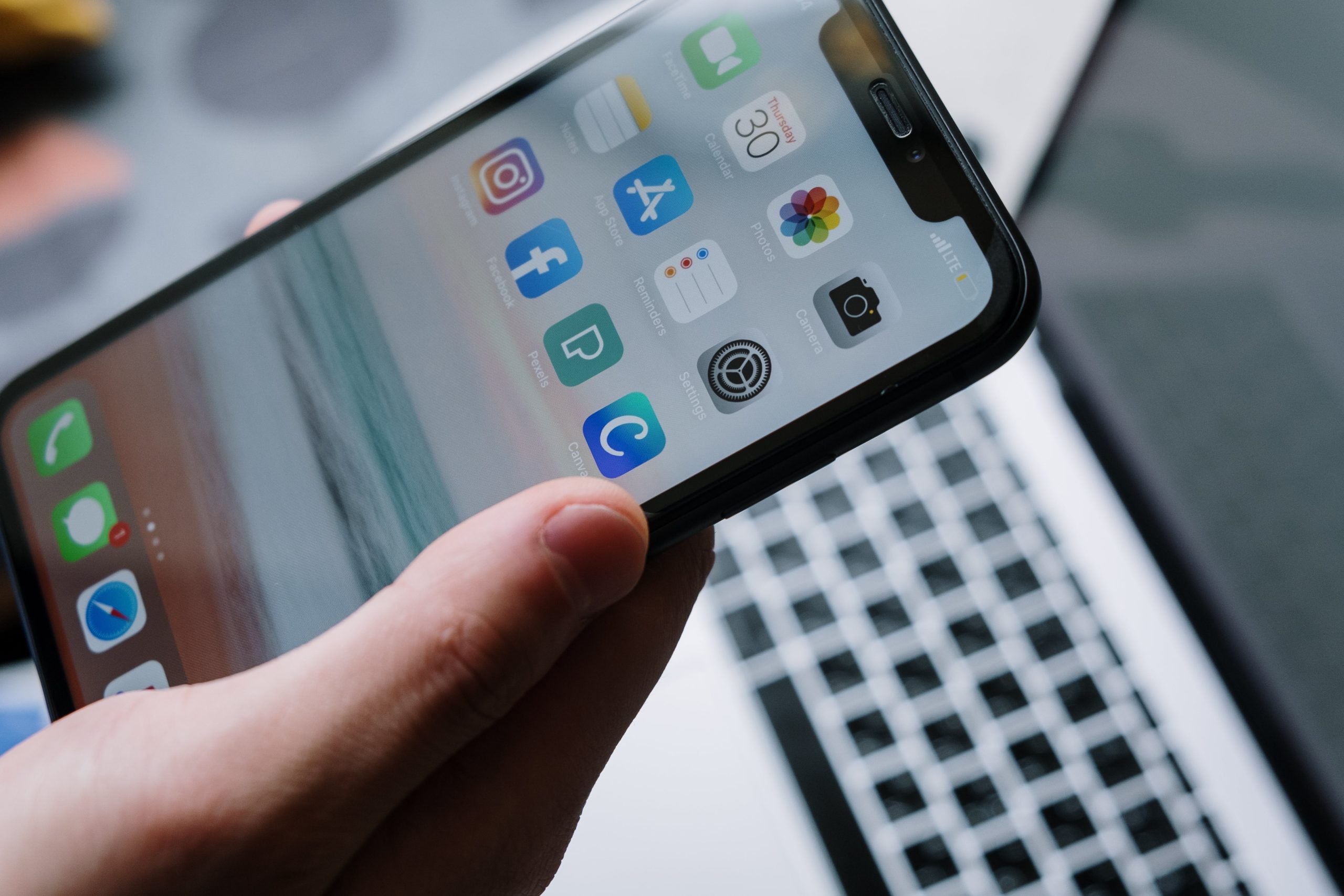
Today, it is hard to imagine life without a smartphone. Gadgets let us follow the news, pay in stores, communicate, have fun and store important information. Smartphones make our everyday lives easier by automating many routine tasks.
At the same time, as technology advances, the risks of data loss grow, and so do the number and variety of malicious software tools.
In general terms, malicious software (malware) is software that, once launched, can harm a device in various ways, including by leading to:
- blocking the device and making it unusable;
- theft, deletion or encryption of data;
- use of the device to attack other devices;
- obtaining credentials that give access to the systems or services you use;
- use of paid services on the basis of your data (for example, phone calls to premium-rate numbers), and so on.
Given this definition, we can identify the main functions malware performs on mobile devices, including stealing passwords for email accounts, social network accounts and banking apps, gaining access to messengers, destroying information, and so on.
To spread malware, attackers use:
- emails with dangerous attachments or links;
- exploitation of vulnerabilities in messengers;
- app downloads from unofficial sources, and so on.
Overall, attackers who use malware as a tool aim to steal data or “control” the user for further criminal purposes.
Today, data loss in the digital world can have very real consequences. Especially now, during the war, “sensitive” information about military personnel is of particular value to our enemy.
In general, the data that can be “extracted” from a smartphone can broadly be divided into:
- Data that large corporations constantly collect about us (read the terms of the user license carefully). A leak of such data is the least harmful. Usually the goal of obtaining such data is to optimize advertising so that users are offered only the products they are more likely to buy. It may also be collected for system reports, which are most often needed to optimize the operation of a device or software product.
- Data collected about us by intelligence services. For this, traffic-linking systems (full name, mobile phone, home address, registered address, property, car, bank accounts, credit history, loyalty cards at companies) or special software may be used. Android devices are more vulnerable than iOS, but if intelligence services are collecting data about you, it does not matter which device you use.
- Data that fraudsters try to obtain in order to take over your credit card or account and steal money.
How to Detect Malware on a Smartphone and Prevent Data Leaks
Pay attention to your device’s performance and its temperature. If your smartphone heats up while simply lying in your pocket, it may be a sign that you have become a victim of malware and that processes are running without your knowledge.
Be very careful when using messengers. Do not click on ads unnecessarily, do not follow suspicious links, and do not correspond with unfamiliar, pushy people.
Your device is better protected than you think. Technology keeps evolving, and the goal of such messages is to get you to open the door yourself and invite the burglar into your device.
We would like to draw special attention to Wi-Fi networks. Free Wi-Fi without a password should immediately raise distrust, since it is often set up to steal your data. A Wi-Fi signal that constantly drops and rises on your device may indicate that someone is trying to intercept your traffic. In that case, you should leave the network.
First of all, follow the rules of digital security and hygiene. Do not leave your data in various apps and resources if you can avoid it, do not use third-party software, download apps only from official sources, and regularly download and install operating system updates for your device. Always read the terms and privacy policies you accept when installing apps.
No matter what information a third party wants about you, you should prevent a data leak in every case.